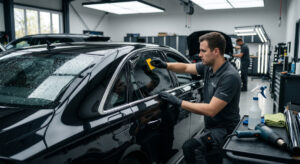
Installing Window Tint – Advanced Heat & Glare Reduction Solutions
Introduction: Why Installing Window Tint Is a Smart Investment
If you spend time in your car, at home, or in a commercial space, you already know how uncomfortable intense sunlight can be. Installing window tint The heat builds up quickly, glare makes it hard to see, and UV rays damage your interiors over time. Therefore, more and more people are turning to window tinting as a reliable, long-term solution.
Installing window tint is not just about aesthetics. It is a practical upgrade that improves comfort, protects your health, and saves energy. Whether you are tinting your car windows or the glass in your home, the benefits are significant and immediate.
However, many people feel unsure about where to start. They have questions about the types of tint available, the installation process, the legal limits, and the costs involved. This article answers all of those questions in clear, simple language.
Moreover, if you want professional results without the guesswork, working with an experienced tinting service makes all the difference. At JKC Cargo, we offer advanced heat and glare reduction solutions that are built to last. Our team uses high-quality films and proven installation methods to give you a clean, bubble-free finish every time.
In addition, we serve both residential and automotive clients, so no matter what type of property or vehicle you have, we have the right solution for you. Read on to learn everything you need to know about window tinting — from choosing the right film to understanding the installation steps.
What Is Window Tint and How Does It Work
Window tint is a thin film applied to the surface of glass. It works by filtering the light that passes through the glass. Depending on the type of film you choose, it can block heat, reduce glare, filter UV rays, or provide privacy.
The film usually has multiple layers. There is a scratch-resistant coating on the outside, a color or metallic layer in the middle, and an adhesive layer on the inside that sticks to the glass. Each layer plays a specific role in how the tint performs.
Therefore, when sunlight hits a tinted window, much of the solar energy gets reflected or absorbed before it enters the space. This keeps interiors cooler and reduces the strain on air conditioning systems. In addition, it protects furniture, dashboards, and flooring from fading caused by UV exposure.
Window tint works on a principle called solar rejection. The higher the solar rejection percentage, the more heat the film blocks. Some premium films can reject up to 99% of UV rays, which makes a measurable difference in both comfort and safety.
Types of Window Tint Films Available
Choosing the right film is one of the most important steps in installing window tint. There are several types available, and each one has its own strengths.
Dyed Window Film
Dyed film is the most affordable option. It uses a layer of dye to absorb heat and reduce glare. However, it does not reflect as much heat as other types. Over time, the dye can fade, which may affect its performance and appearance.
Metalized Window Film
Metalized film uses tiny metallic particles to reflect heat and UV rays. It is more durable than dyed film and provides a shiny, mirror-like appearance. Moreover, it strengthens the glass slightly, which adds a layer of security.
However, metalized films can interfere with GPS signals and mobile connectivity, which is a drawback for some users.
Carbon Window Film
Carbon film is a popular mid-range option. It does not fade like dyed film, and it does not interfere with electronics like metalized film. Therefore, it offers a good balance between performance and practicality. It has a matte, dark appearance that many people find attractive.
Ceramic Window Film
Ceramic film is the top-of-the-line option. It uses ceramic particles that are non-conductive and non-metallic. In addition, it blocks up to 99% of UV rays and offers excellent heat rejection without affecting signal reception. It is the most durable and highest-performing option available, though it comes at a higher price.
For most clients looking for advanced heat and glare reduction, ceramic film is the recommended choice.
However, each region has its own legal limits on how dark window tint can be. These laws vary depending on whether the tint is on a car’s front windshield, front side windows, rear side windows, or rear window. Therefore, it is essential to check local regulations before choosing your film.
A reputable tinting service will always help you stay within legal limits. Moreover, they will advise you on the best VLT percentage for your specific needs, whether your priority is privacy, heat reduction, or glare control.
Understanding how the installation process works helps you know what to expect and why professional installation matters.
Step 1: Cleaning the Glass Thoroughly
Before anything else, the glass must be completely clean. Any dust, dirt, or smudges will show up under the film and create an uneven finish. Professionals use special cleaning solutions and tools to ensure the glass is spotless.
Therefore, this step takes more time than most people expect. However, it is critical to the final result.
Step 2: Measuring and Cutting the Film
Next, the installer measures the window and cuts the film to fit precisely. Most professionals use a computer-aided cutting system that ensures accurate shapes for every window. In addition, they leave a small margin around the edges to allow for trimming during application.
Step 3: Applying the Film to the Glass
The installer sprays a slip solution onto the glass. This allows the film to slide into position before it adheres permanently. The film is then carefully placed on the glass, starting from one edge and working across to avoid air bubbles.
This step requires a steady hand and years of experience. Moreover, the film must be positioned correctly before the adhesive begins to set.
Step 4: Squeezing Out Air and Water
Once the film is in place, the installer uses a squeegee to press the film firmly against the glass. This pushes out any remaining air bubbles and excess slip solution from underneath the film.
Therefore, the surface becomes smooth and uniform. Any remaining bubbles or moisture will dry out naturally within a few days.
Step 5: Trimming and Finishing
Finally, the installer trims the edges of the film to create a clean, precise border. They inspect the entire surface for any imperfections and make adjustments as needed.
In addition, a quality installer will walk you through a final inspection so you are fully satisfied before you leave.
Benefits of Professional Window Tint Installation
Many people consider applying window tint themselves to save money. However, professional installation offers several advantages that make it worth the investment.
Guaranteed Quality and Finish
Professional installers have the tools and experience to deliver a flawless finish. They know how to handle different types of glass and film, and they can manage tricky shapes like curved rear windows.
Moreover, most professional services offer a warranty on both the film and the installation. Therefore, if anything goes wrong, you are covered.
Time and Convenience
Installing window tint takes skill and patience. A professional team can complete the job in a fraction of the time it would take an amateur. In addition, you avoid the frustration of peeling up a poorly applied film and starting over.
Access to Premium Films
Professional services have access to high-quality films that are not always available to the general public. Therefore, you get better materials, better heat rejection, and longer-lasting results.
Legal Compliance
A professional installer knows the tinting laws in your area. Moreover, they will recommend the right VLT percentage to keep you compliant while still meeting your needs.
Window Tinting for Homes and Commercial Spaces
Window tinting is not just for vehicles. In fact, residential and commercial window tinting is growing rapidly because of its energy-saving benefits.
Residential Window Tinting
At home, window tint reduces heat gain during summer, which lowers your cooling costs. It also blocks UV rays that cause carpets, curtains, and furniture to fade. In addition, it reduces glare on screens and creates a more comfortable living environment.
Moreover, some residential films offer added privacy without blocking your view from the inside. These are especially useful for ground-floor rooms or homes near busy streets.
Commercial Window Tinting
In office buildings and retail spaces, window tinting improves employee comfort and reduces energy bills significantly. Therefore, many businesses see a return on their investment within a short time.
In addition, commercial tinting can enhance the appearance of a building’s exterior, giving it a sleek, professional look that attracts customers.
How to Maintain Your Window Tint After Installation
Proper care extends the life of your window tint and keeps it looking sharp. However, there are a few important rules to follow after installation.
First, avoid cleaning the windows for at least three to five days after installation. The film needs time to cure and bond to the glass properly. Cleaning too early can disturb the adhesive.
When you do clean tinted windows, use a soft cloth and an ammonia-free cleaner. Ammonia-based products can break down the film over time and cause peeling or discoloration.
Moreover, avoid using abrasive materials like rough sponges or paper towels on tinted glass. These can scratch the surface and reduce the film’s effectiveness.
In addition, keep sharp objects away from tinted windows, especially in vehicles. Even small scratches can create visible marks on the film surface.
With proper maintenance, a high-quality ceramic or carbon film can last ten years or more. Therefore, the investment pays off well over time.
Why Choose JKC Cargo for Your Window Tinting Needs
At JKC Cargo, we understand that every client has unique needs. Therefore, we offer a range of window tinting solutions for cars, homes, and commercial buildings. Our team uses only high-quality films that deliver proven heat and glare reduction results.
Moreover, we follow a careful installation process that ensures a clean, bubble-free finish on every job. We take pride in our attention to detail and our commitment to customer satisfaction.
In addition, we stay up to date with local tinting regulations so that every installation is fully compliant. Whether you need a light privacy tint or an advanced ceramic film for maximum heat rejection, we have the right solution for your budget and goals.
Contact JKC Cargo today to get a free consultation and find out which window tint option is the best fit for you.
Final Thoughts on Installing Window Tint for Lasting Comfort and Protection
Installing window tint is one of the smartest upgrades you can make for your vehicle, home, or commercial space. It delivers real, measurable results — from cooler interiors and lower energy bills to better privacy and UV protection. Moreover, it enhances the overall appearance of any glass surface, giving it a clean and polished look.
Throughout this guide, we have covered everything from the types of films available to the step-by-step installation process. We have also discussed how to maintain your tint and why professional installation consistently produces better results than DIY attempts.
Therefore, if you are serious about comfort, protection, and long-term value, do not cut corners on window tinting. Choose a trusted professional who uses quality materials and follows a proven process. In addition, make sure the service you choose understands local tinting laws so you stay compliant without sacrificing performance.
At JKC Cargo, we bring experience, precision, and premium materials to every job. Whether you need automotive, residential, or commercial window tinting, we are ready to help. Contact us today and take the first step toward a cooler, more comfortable, and better-protected space.
Frequently Asked Questions
How long does installing window tint take?
For most vehicles, professional window tint installation takes between one and three hours. However, larger vehicles or full home installations may take longer. The exact time depends on the number of windows, the complexity of the shapes, and the type of film being used. Therefore, it is best to schedule your appointment in advance and allow enough time for the job to be done properly.
How long should I wait before rolling down my car windows after tint installation?
You should wait at least three to five days before rolling down your windows after installing window tint. The adhesive needs time to cure and bond fully to the glass. Rolling the windows down too early can cause the edges of the film to peel or lift. Moreover, during this curing period, you may notice small water bubbles under the film — these are completely normal and will disappear as the film dries.
Does window tint really reduce heat inside a car or home?
Yes, absolutely. High-quality window tint — especially ceramic film — can block a significant portion of solar heat from entering your vehicle or home. In addition, it filters out up to 99% of harmful UV rays, which are the main cause of interior fading and heat buildup. Therefore, tinted spaces stay noticeably cooler, which also reduces the load on your air conditioning system and lowers energy costs over time.
Quick Contact (Fast Response)
WhatsApp: https://wa.me/17143361630
Contact Page: https://nextgencaraudioandtint.com/contact/
Latest Articles
- Installing window tint – Advanced Heat & Glare Reduction Solutions
- Heat Blocking Tint Film for Interior Protection
- Vehicle Window Tint Experts on Lincoln Ave Orange – Premium Car Tinting