Heat Blocking Tint Film for Interior Protection: A Complete Guide
Most people think window tint is only about looks. However, the real story goes much deeper than that. Heat blocking tint film is one of the most practical upgrades you can make — whether for your car, home, or office. It keeps interiors cooler, protects your furniture, and reduces energy bills all at once.
In Pakistan, where summer temperatures often cross 40 degrees Celsius, managing indoor heat is not a luxury. It is a necessity. Moreover, the harsh sun does not just cause discomfort. It slowly damages dashboards, upholstery, wooden floors, and fabrics. Most people do not notice this damage until it is too late.
Heat blocking tint film creates a barrier between your interior and the sun. It works by filtering out infrared radiation and harmful UV rays before they enter your space. Therefore, your interior stays cooler, your belongings last longer, and your air conditioner works less.
In addition, modern tint films have improved significantly. They no longer look dark or cheap. Today’s films are available in clear, ceramic, and nano-technology options that offer maximum protection with minimal visual change. Furthermore, they are easy to install and built to last for years.
This guide will walk you through everything you need to know. You will learn how the film works, what types are available, and how to choose the right one for your needs. Whether you are protecting a car or a building, this information will help you make a smart, informed decision.
How Heat Blocking Tint Film Actually Works
Understanding the science behind tint film helps you choose the right product. The sun sends three types of energy toward the Earth: visible light, ultraviolet (UV) rays, and infrared (IR) radiation. Infrared radiation is the main source of heat. UV rays cause fading and skin damage.
Heat blocking tint film is designed to reject a large portion of IR and UV energy. It does this through special layers embedded in the film. Some films use dyes, others use metals, and the best ones use ceramic or nano-carbon particles.
Therefore, when sunlight hits the film, it absorbs or reflects most of the heat before it passes through. The visible light still comes through, so the room or car interior stays bright. However, the heat stays outside.
Moreover, quality films can block up to 99% of UV rays. This is especially important for cars and homes with direct sun exposure. Fabrics, leathers, and wood surfaces fade quickly under UV light. However, with the right tint film installed, that fading slows down dramatically.
Dyed Tint Film
This is the most basic and affordable option. Dyed films use a layer of color to absorb heat and reduce glare. However, they do not block as much heat as other types. Over time, the dye can fade, especially in intense sunlight. For those on a tight budget, dyed film offers a starting point. However, it is not the best long-term solution.
Metalized Tint Film
Metalized films use tiny metallic particles to reflect heat and UV rays. They perform better than dyed films. In addition, they are more durable and resistant to fading. However, the metallic content can sometimes interfere with GPS, radio, and mobile signals. Therefore, this type is less preferred for cars with advanced electronics.
Carbon Tint Film
Carbon films eliminate the signal interference problem. They use carbon particles instead of metal to block heat effectively. Moreover, carbon films have a matte finish that looks clean and premium. They are also more stable in high heat compared to dyed or metalized options.
Ceramic Tint Film
Ceramic tint film is currently the top performer in the market. It uses non-metallic, non-conductive ceramic particles that block both heat and UV rays at a very high level. Furthermore, ceramic films are optically clear, meaning they do not distort the view. They do not interfere with electronics and are resistant to scratching and fading.
Therefore, for anyone serious about long-term interior protection, ceramic film is the best investment.
Nano-Ceramic Tint Film
This is the most advanced category. Nano-ceramic films use even smaller particles for maximum performance with minimum thickness. They offer the highest heat rejection rates while maintaining excellent visibility. In addition, they are highly durable and maintain their appearance for many years.
Key Benefits of Installing Heat Blocking Tint Film
Significant Heat Reduction
The most immediate benefit is a cooler interior. Heat blocking tint film can reduce the interior temperature of a car or room by 10 to 15 degrees Celsius. Therefore, you feel more comfortable as soon as you enter the space. Moreover, your air conditioning system does not have to work as hard, which saves energy and money.
UV Protection for People and Belongings
UV rays cause skin damage and accelerate fading in fabrics, leather, and wood. Heat blocking tint film blocks up to 99% of UV radiation. Therefore, your car’s dashboard, seats, and flooring stay in better condition for longer. In addition, people sitting near windows — in homes or offices — get a layer of protection from harmful radiation.
Glare Reduction
Glare from the sun makes driving uncomfortable and even dangerous. It also causes eye strain in office or home settings. Heat blocking tint film reduces glare significantly. Therefore, you can see better, work more comfortably, and drive more safely.
Privacy and Security
Many tint films also add a level of privacy. Passersby cannot easily see inside your car or room. Moreover, some security films hold the glass together in case of breakage. This adds an extra layer of safety, especially in busy urban areas.
Energy Savings for Buildings
In homes and offices, tinted windows reduce the heat load on air conditioning systems. Therefore, electricity bills go down. Moreover, the building interior stays at a more consistent temperature throughout the day. This is especially valuable in cities like Multan, Lahore, and Karachi where summer heat is extreme.
Where Heat Blocking Tint Film Is Most Commonly Used
Automotive Applications
Cars are the most common application for heat blocking tint film. The inside of a parked car can reach extremely high temperatures within minutes. Moreover, prolonged sun exposure causes dashboards to crack, seat covers to fade, and electronic components to overheat.
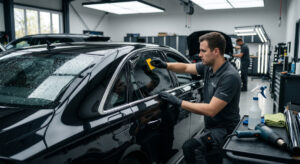
Installing a quality tint film on all windows keeps the interior cooler and more protected. Furthermore, it improves driving comfort by reducing glare and heat during long trips.
Residential Windows
Homes with large windows or south-facing walls absorb enormous amounts of heat. Heat blocking tint film applied to residential windows creates a more comfortable living space. In addition, it protects furniture, carpets, and curtains from UV fading.
Moreover, many modern residential films are nearly invisible. Therefore, homeowners get full sun protection without losing natural light or outdoor views.
Commercial and Office Buildings
Offices with glass facades face serious heat challenges. The cooling costs for such buildings can be very high. However, with heat blocking tint film installed on windows, the cooling load reduces substantially. Therefore, businesses save on electricity while providing a more comfortable workspace for employees.
In addition, reduced glare on computer screens improves productivity and reduces eye strain for workers throughout the day.
How to Choose the Right Heat Blocking Tint Film
Choosing the right film depends on several factors. Therefore, take your time and evaluate each option carefully.
Consider Your Heat Rejection Needs
If you live in an extremely hot region, you need a film with a high Total Solar Energy Rejected (TSER) percentage. Ceramic and nano-ceramic films typically offer the highest rejection rates. However, carbon films are also a strong choice if your budget is moderate.
Check the VLT (Visible Light Transmission)
VLT refers to how much visible light passes through the film. Lower VLT means darker film. However, very dark films may not be legal for front windshields in some areas. Therefore, always check local regulations before choosing a film shade.
For most cars, a VLT of 35% to 50% on side windows offers a good balance of heat rejection and visibility.
Look at UV Rejection Rate
All quality films should block at least 99% of UV rays. Moreover, this figure should appear clearly in the product specifications. Do not settle for films that do not disclose this information.
Choose a Reputable Brand and Installer
A good film installed poorly will not perform well. Bubbles, peeling, and color shifts happen when installation is done carelessly. Therefore, always choose a certified and experienced installer. Moreover, reputable brands often come with warranties of five to ten years, which gives you confidence in your investment.
Maintenance Tips to Keep Your Tint Film Performing Well
Once installed, tint film requires very little maintenance. However, a few simple habits will help it last longer and perform better.
Wait at least three to five days after installation before cleaning the windows. The film needs time to cure properly. Moreover, always use a soft microfiber cloth and an ammonia-free cleaner. Ammonia-based products can damage the film and cause discoloration over time.
Do not use sharp objects or abrasive materials near the tinted surface. Even small scratches can affect both the appearance and performance of the film. Therefore, handle windows gently and clean them carefully.
In addition, inspect the film occasionally for signs of peeling or bubbling. If you notice any issues early, contact your installer. Most quality films come with warranties that cover manufacturing defects, so you are protected.
JKC Cargo and the Importance of Interior Protection During Shipping
If you are shipping vehicles or goods, interior protection becomes even more critical. During long-distance shipping or container transport, interiors are exposed to temperature fluctuations and intense heat. Heat blocking tint film on vehicle windows helps protect the interior during transit.
Moreover, at JKC Cargo, protecting the condition of shipped vehicles is a top priority. Therefore, preparing your vehicle with quality tint film before shipping is a smart step. It keeps dashboards, seats, and electronic components safe during the journey.
In addition, well-maintained interiors retain higher resale value. Therefore, this small investment before shipping can preserve your vehicle’s overall worth significantly.
Final Thoughts on Choosing Heat Blocking Tint Film for Long-Term Protection
Heat blocking tint film is not just a cosmetic upgrade. It is a smart, practical investment that protects your interior, improves comfort, and saves energy over time. Whether you apply it to your car, home, or office, the benefits are real and long-lasting.
Moreover, with so many options available today — from basic dyed films to advanced nano-ceramic technology — there is a solution for every budget and every need. Therefore, take the time to understand what your space requires and choose a film that matches those needs.
In addition, always work with a professional installer and a trusted brand. A quality installation makes all the difference in how well the film performs and how long it lasts. Furthermore, pairing your tint film investment with proper maintenance will ensure you get the maximum value from it for years to come.
The sun is not going to get cooler. However, with the right heat blocking tint film in place, your interior does not have to suffer. Protect what matters, stay comfortable, and make a choice that pays off every single day.
Frequently Asked Questions
1. How long does heat blocking tint film last?
A quality heat blocking tint film, especially ceramic or nano-ceramic, can last anywhere from seven to ten years with proper care. Moreover, most reputable brands offer warranties that cover fading, bubbling, and peeling during this period. Therefore, choosing a trusted brand and professional installer is essential for long-term performance.
2. Does heat blocking tint film really reduce interior temperature?
Yes, it does. High-quality tint films can reduce interior temperatures by 10 to 15 degrees Celsius. They work by blocking infrared radiation, which is the primary source of heat from sunlight. Therefore, your car or room stays noticeably cooler, and your air conditioning system works more efficiently as a result.
3. Is heat blocking tint film legal for car windows in Pakistan?
Yes, window tinting is generally permitted in Pakistan. However, regulations regarding the darkness of the film — measured by Visible Light Transmission (VLT) — can vary. Therefore, it is advisable to check current local traffic rules before choosing a very dark shade, especially for the front windshield and front side windows.
Upgrade Your Car Audio & Tint Today
Ready to transform your driving experience?
Visit NextGen Car Audio & Tint for premium sound systems, expert installation, and professional window tinting at affordable prices.
Quick Contact (Fast Response)
WhatsApp: https://wa.me/17143361630
Contact Page: https://nextgencaraudioandtint.com/contact/
Latest Articles
- Heat Blocking Tint Film for Interior Protection
- Vehicle Window Tint Experts on Lincoln Ave Orange – Premium Car Tinting
- Top-Rated Car Security Installation Services in Lincoln Ave Orange